
AI attacks force cybersecurity spending
Generative AI makes cyberattacks cheaper and faster, and the thesis is that this forces lasting rises in security budgets, not a one-off scare. Attackers now fake executives' voices, send personal phishing and probe software for weaknesses automatically. If it holds, security spend outgrows IT spend, and vendors of identity controls, device protection, cloud and data security and threat detection earn the extra as sales and profit.
CrowdStrike sells only the Falcon security platform, endpoint (device), identity, cloud and AI detection subscriptions, where the thesis says extra security budgets land.
Okta sells identity and access management only, the controls that AI-fluent phishing and deepfake impersonation attack first, so every dollar rides security budgets.
Zscaler sells only cloud-delivered security: zero-trust access, data protection and, since August 2025, Red Canary managed detection and response.
Palo Alto Networks sells endpoint detection, cloud security and, since February 2026, CyberArk identity controls, the lines where extra security budget lands.
Check Point sells only security, but its email, endpoint and cloud lines named by the thesis are still a minority of revenue.
Qualys sells cloud-based vulnerability management subscriptions, the pre-breach scanning that answers attackers' automated probing of software for weaknesses.
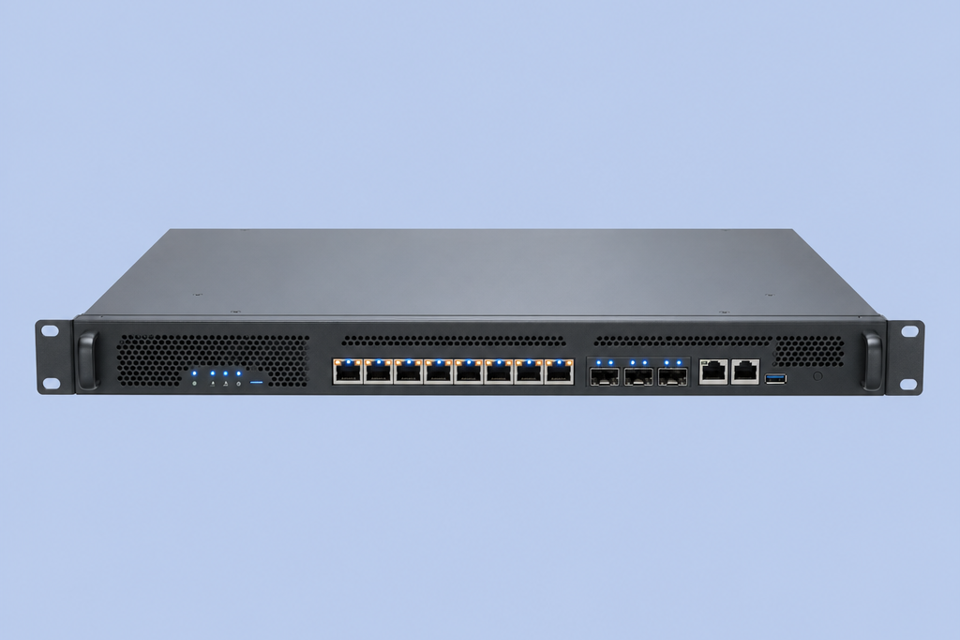
Fortinet sells security only, with cloud-delivered zero-trust access and AI-driven security operations alongside the FortiGate firewall appliances that dominate its billings.
SentinelOne sells only Singularity security subscriptions, endpoint protection plus identity, cloud and threat-detection modules, so all revenue moves with security budgets.
Tenable sells vulnerability management software that finds the software weaknesses AI attackers probe automatically, a budget the thesis says keeps rising.