
every thesis comes with portfolios.
A thesis is a claim about the world. Several portfolios hold it. No two express it the same way. Shares held in your name.
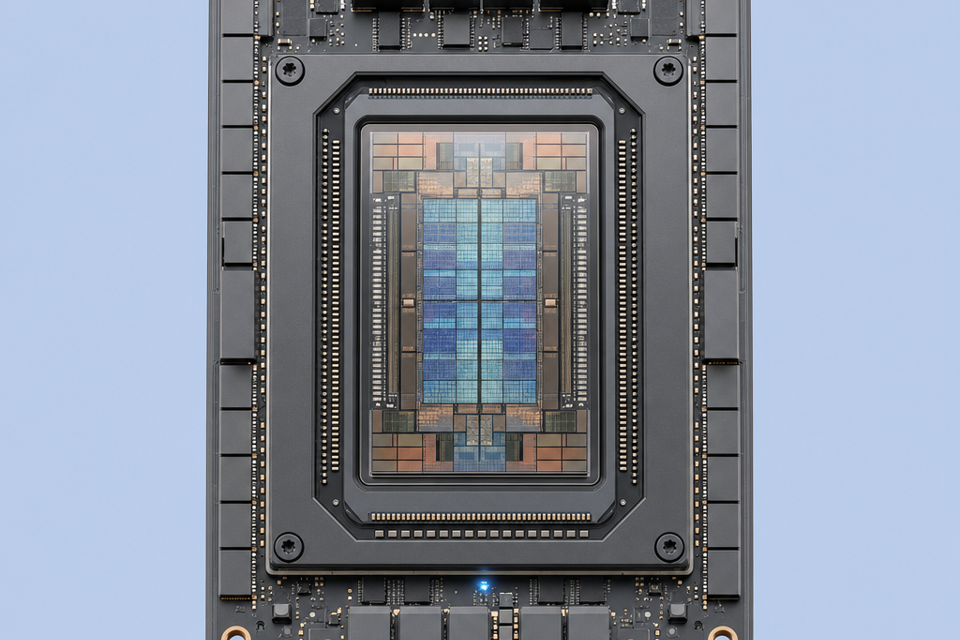 AI capex keeps climbing
The largest cloud and AI companies keep raising their capital budgets for AI data centers, and each increase translates into orders further down the supply chain: accelerator chips, the high-bandwidth memory attached to them, the optical and Ethernet networking that links racks together, and the power and cooling hardware a dense AI cluster requires. Because this spending is committed in multi-year building programmes rather than quarter by quarter, the order flow to suppliers tends to be visible well before it shows up in their reported revenue. A portfolio under this thesis selects US-listed suppliers whose AI data-center products materially drive earnings — semiconductor designers, memory makers, networking and interconnect vendors, and the equipment and component firms that build the racks. It excludes the companies buying the capacity, and suppliers whose AI exposure is a small or incidental part of the business.
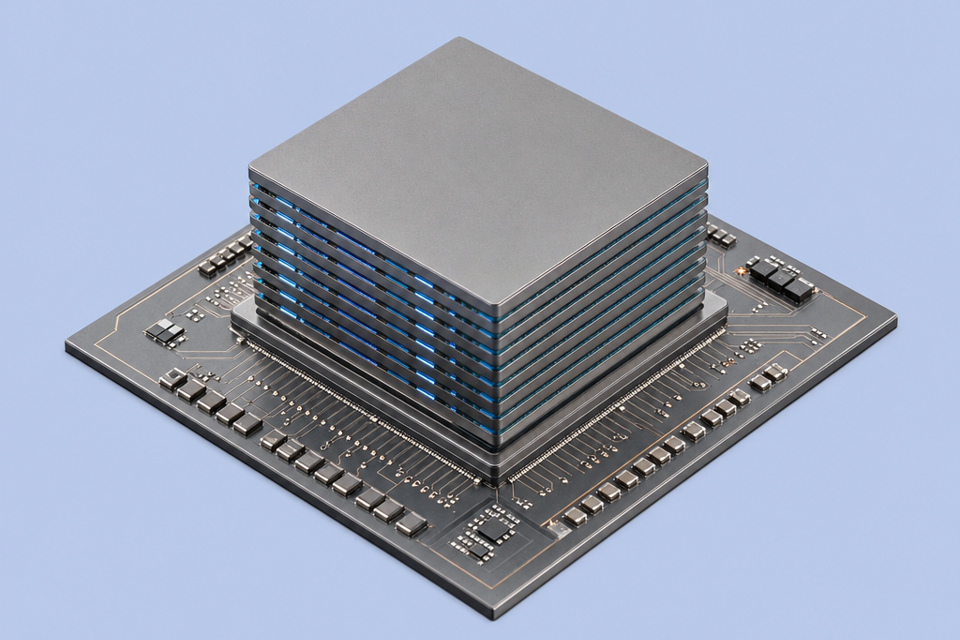 AI runs short of memory and storage
AI training and inference are consuming memory and storage faster than manufacturers can add capacity. High-bandwidth memory for accelerators takes far more wafer area per bit than standard DRAM, so every HBM line that comes online crowds out server and PC DRAM supply. At the same time, inference caches and AI data lakes are pulling enterprise SSDs and nearline hard drives out of a market that was not built for this volume. The result is tightening supply, with prices and margins rising across DRAM, NAND and HDD at once. A portfolio under this thesis selects the companies that make memory and storage: DRAM and NAND producers, hard-drive manufacturers, and the suppliers they depend on to ship volume, including memory interface chip designers and memory test equipment makers. AI accelerator makers are buyers of this memory, not beneficiaries of its scarcity, and are left out.
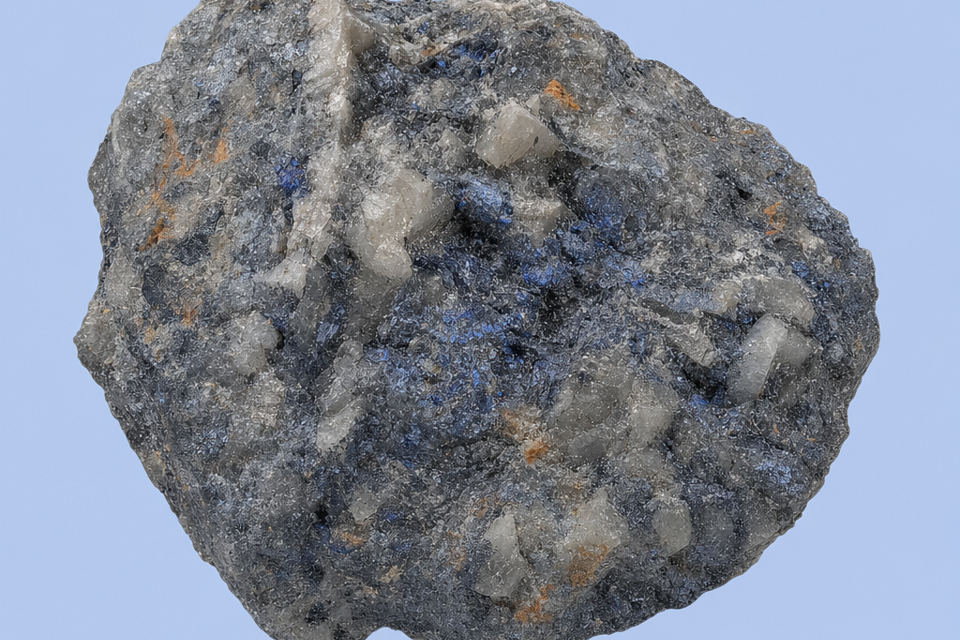 America builds a rare-earth industry
China separates most of the world's heavy rare earths and makes most of the sintered neodymium magnets that go into electric-vehicle motors, wind turbines, drones and guided munitions. The US government has started to treat that dependence as a supply problem it will pay to fix: Department of Defense grants, Department of Energy loans and offtake agreements are now underwriting domestic mining, heavy-rare-earth separation and magnet manufacturing. The question for this thesis is whether that financing turns announced projects into operating plants. A portfolio under it selects US-listed companies whose revenue is tied to that build-out: rare-earth miners and separators, magnet makers, and the processors and equipment suppliers they depend on. It favors companies with government contracts or financing already in hand, a credible path to production, and funding plans that do not rely on repeated share issuance to reach first output.
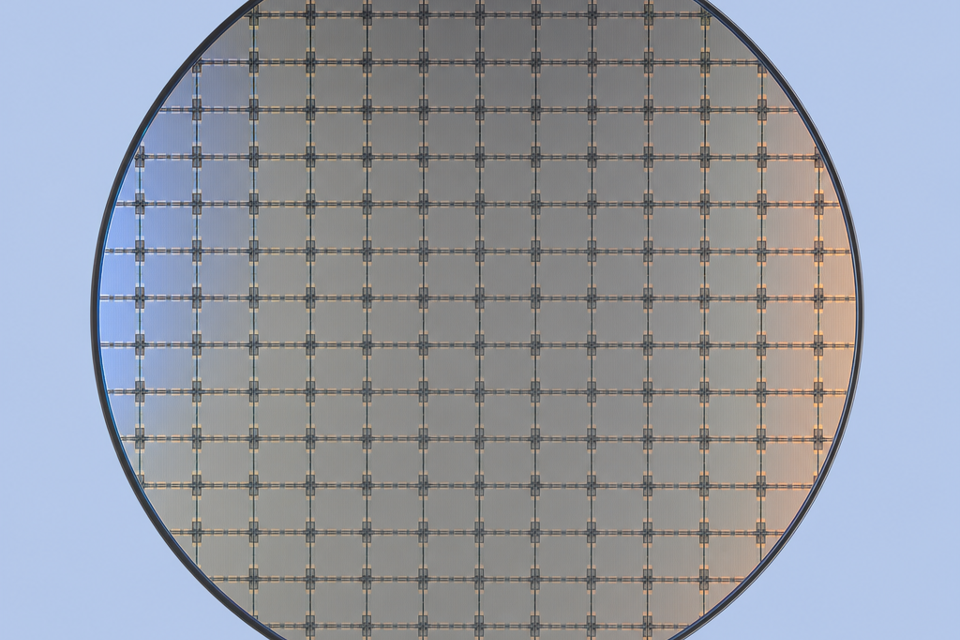 Big Tech designs its own chips
The largest cloud providers are designing their own AI accelerators rather than buying only general-purpose graphics processors. The motive is cost: a chip tuned to one company's workloads can run training and inference more cheaply per unit of compute than a merchant part bought at market prices. Each new generation of these in-house chips is paid for in advance, because the cloud companies do not build them alone. They hire custom-silicon design partners, license interface and processor IP, and book foundry and advanced-packaging capacity, and that spending now recurs with every annual refresh. A portfolio under this thesis selects the companies on the receiving end of those payments: application-specific chip designers that take a hyperscaler's architecture to production, licensors of memory, interconnect and core IP, and the foundries and packaging houses that manufacture the parts. Companies whose earnings depend materially on these programs qualify; makers of general-purpose AI graphics processors are excluded.
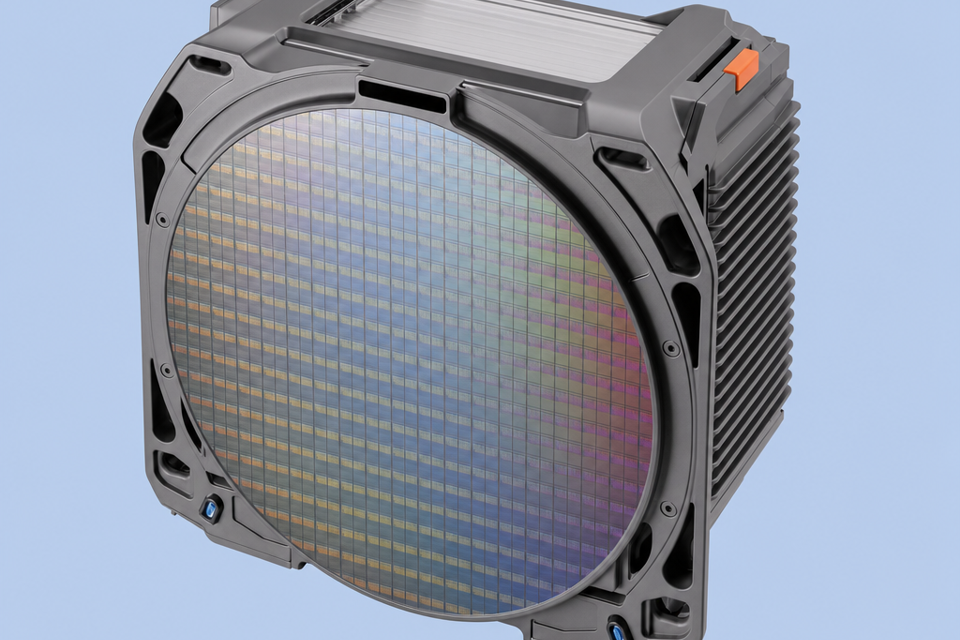 China Invades Taiwan
A Chinese military move against Taiwan is the largest single shock scenario in global supply chains. Taiwan fabricates most of the world's advanced logic chips and a large share of mature nodes, and the strait carries a meaningful fraction of seaborne trade between East Asia and the rest of the world. Rising People's Liberation Army activity around the island, US export controls on Chinese chipmaking and the CHIPS Act have moved this from a thought experiment to a scenario that boards, procurement offices and defence planners now budget for. Portfolios under this thesis select US-listed companies whose demand or pricing power rises if the strait is disrupted: defence primes, munitions and missile makers, naval shipbuilders, semiconductor fabs and equipment vendors building capacity in the United States, memory and analog producers with manufacturing outside Taiwan, and domestic rare-earth and critical-mineral processors. Companies that source the bulk of their chips from Taiwanese foundries are excluded.
 China stimulates its economy
China remains the largest buyer of copper, iron ore, aluminium and other industrial commodities, and its demand is driven by construction, infrastructure and manufacturing activity. When Beijing steps up stimulus for those sectors, Chinese purchasing rises, prices firm, and volumes grow for the producers that supply the raw materials and for the companies that sell machinery, mining equipment and industrial components into China. The size of that policy lever is what makes the theme matter: a change in Chinese fiscal or credit support moves global commodity markets. Portfolios under this thesis select miners of copper, iron ore and related metals, along with industrial exporters whose sales to China or to China-driven commodity markets are a material share of earnings. Manufacturers whose costs rise with commodity prices, and companies with only incidental exposure to Chinese demand, are excluded.
 Congress restores coverage
This thesis follows legislation that restores federal funding for health coverage, whether through Medicaid or subsidies for individual-market plans. When coverage support lapses, hospitals treat more uninsured patients and write off more unpaid care, and insurers lose enrollees. If Congress reverses that, the mechanism runs the other way: more patients arrive with a payer behind them, bad-debt expense falls, and insured enrollment rises. The debate over these programs is live, which is why the question matters now. A portfolio under this thesis selects companies whose revenue moves directly with that restored coverage. That means hospital operators, especially those with large Medicaid and self-pay populations, and health insurers that administer managed Medicaid plans or sell individual-market policies, where the added premium revenue exceeds the cost of treating new members. Businesses without material exposure to the restored coverage, such as device makers or pharmacies, are excluded.
 Dollar strengthens
A stronger dollar lowers what US companies pay for goods made abroad. When supplier contracts priced in foreign currencies reset, the cost of imported inventory and components falls in dollar terms, and a business that keeps its selling prices steady sees that difference land in gross margin. The effect builds over quarters rather than days, because hedges roll off and purchase agreements renew on their own schedules, which is why sustained dollar strength matters more than a single move. Portfolios under this thesis select US-listed companies that source a large share of what they sell from overseas and sell it mostly at home: apparel and footwear brands, general and specialty retailers, consumer electronics and home furnishings sellers, toy makers, and auto parts and industrial distributors. Exporters, companies with substantial foreign earnings translated back into dollars, and businesses whose suppliers hold the pricing power to capture the currency benefit themselves are excluded.
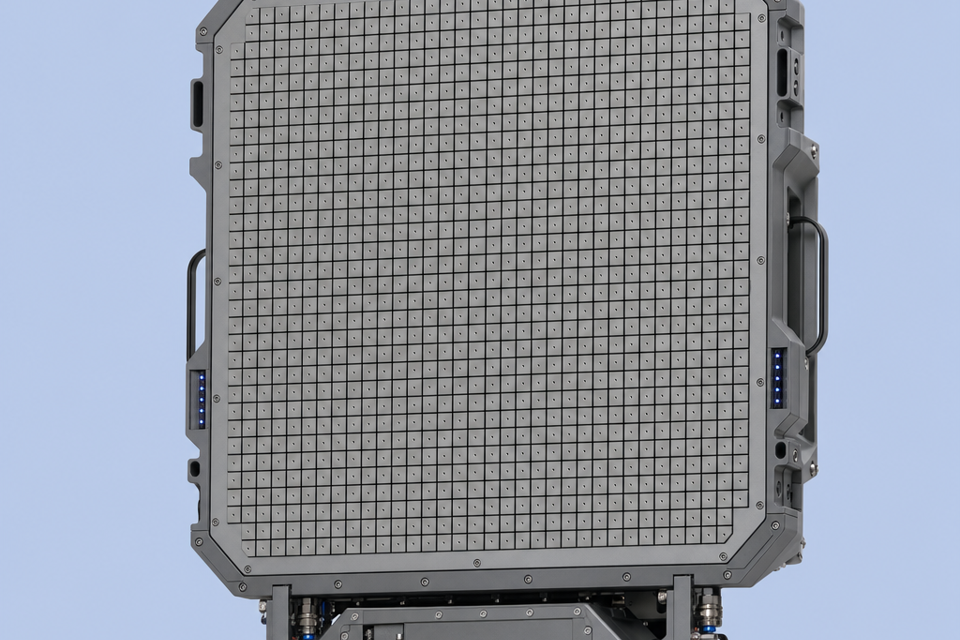 European Rearmament
European governments are raising defense budgets at a pace not seen since the Cold War. NATO members are moving toward and beyond the 2% of GDP spending target, Germany has set aside a dedicated fund for its armed forces, and the EU is loosening fiscal rules to let members borrow for military procurement. The money is going to replenish depleted munitions stocks, replace aging aircraft and armored vehicles, build out air defense, and modernize command, communications and satellite systems. Much of that equipment is bought from, or built with components from, American suppliers. A portfolio under this thesis selects US-listed companies with meaningful revenue tied to European military demand: prime contractors supplying fighter aircraft, missiles and air defense systems; producers of propellants, munitions and precision guidance; makers of radar, secure communications and electronic warfare hardware; and the specialty electronics, semiconductors and aerospace parts suppliers that sit beneath those programs.
 Founder Lead Titans
Founder-led companies are run by the people who built them. A founder-CEO typically holds a large personal stake, controls the board agenda, and thinks in decades rather than quarters, which tends to show up as heavier reinvestment in product and capacity and less emphasis on buybacks or short-term margin targets. As the largest US firms move through leadership transitions and activist pressure, the handful still steered by their founders stand apart in how capital is allocated and how strategy is set. A portfolio under this thesis selects US-listed companies whose founder or co-founder serves as chief executive or executive chair and retains a meaningful ownership position. The core pool is the largest founder-run names in software, semiconductors, e-commerce, media and consumer platforms, with a smaller set of founder-run mid- and small-cap firms in the same industries where the founder's stake and operating control are clearly documented.
 Global Rotation Out of US Equities into Global Equities
After more than a decade in which US equities drew a growing share of global capital, the premium investors pay for US stocks relative to Europe, Japan and emerging markets sits near its widest on record. Several conditions behind that premium are shifting: fiscal stimulus and higher rates outside the US, a softer dollar, and allocators rebalancing toward regions they had underweighted. This thesis follows capital moving away from US-centric exposure. A portfolio under it selects from US-listed securities only, in two forms: American depositary receipts of foreign companies based in Europe, Japan and emerging markets, and US-domiciled companies whose sales and production come mainly from abroad. Candidates include European industrial and luxury groups, Japanese automakers and electronics makers, emerging-market banks and internet platforms, and US industrial, consumer and semiconductor companies with large overseas customer bases, where a weaker dollar and stronger foreign demand pass through to reported results.
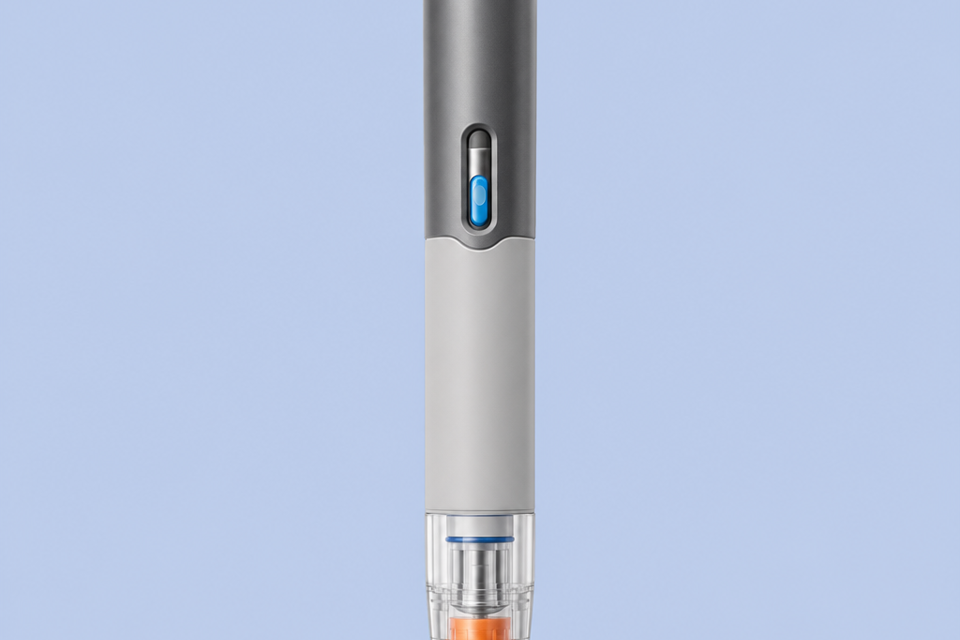 GLP-1 - Only Getting Started
GLP-1 drugs began as diabetes treatments and have become the first widely prescribed medicines for obesity. The thesis is that adoption is early: a small share of eligible US patients are on therapy, supply has only recently caught up with demand, oral versions and new indications such as heart, kidney and sleep apnea conditions are moving through trials and approvals, and insurers and employers are still working out coverage. Each of those steps widens the population that can be treated. A portfolio under this theme selects US-listed companies whose revenue grows as that population grows: the drug developers themselves, including smaller biotechs with next-generation candidates; the manufacturers of injector pens, glass vials and fill-finish capacity that the drugs depend on; and the pharmacies, telehealth platforms and distributors through which prescriptions are filled.
 Gold stays high
Gold miners' earnings rise with gold prices well above their costs. A producing mine has a largely fixed cost base: labour, energy, consumables and the sustaining capital needed to keep output steady. When the gold price sits well above that all-in sustaining cost, most of each additional dollar per ounce flows straight to operating earnings and free cash flow from production that already exists. The thesis is that an elevated gold price, held for a sustained period, turns established producers into strong cash generators without requiring new mines or higher output. A portfolio under this thesis selects producing gold miners with controlled costs and material exposure to the gold price, rather than diversified miners where gold is a side line. It excludes bullion funds, which track the metal without operating leverage; exploration-only developers with no production; and companies that need higher prices simply to finance construction of their first mine.
 Hormuz reopens
The thesis is that a settlement with Iran durably restores shipping through the Strait of Hormuz, bringing Gulf oil, gas and petrochemical exports back to market. With supply no longer constrained by the closure, crude, jet fuel, diesel and oil-derived feedstocks fall in price, and companies whose costs are dominated by those inputs see their margins widen. The timing matters because the scarcity premium built into fuel and feedstock prices during the closure unwinds only once ships are actually moving again, not when a ceasefire is announced. A portfolio under this thesis selects US-listed companies for which fuel or oil-based feedstock is a material share of operating cost: airlines, cruise lines, trucking companies and chemical makers. It excludes oil producers, tanker owners and refiners that earn from scarcity. A declared ceasefire while attacks on shipping continue does not count as reopening.
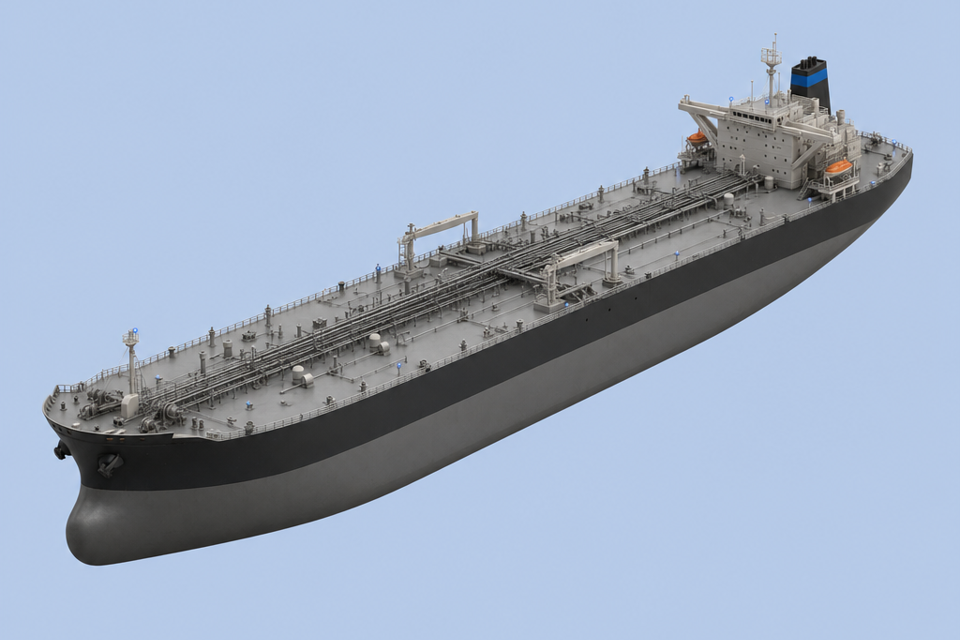 Hormuz stays closed
The Strait of Hormuz carries around a fifth of the world's seaborne oil and a large share of its liquefied natural gas. This thesis assumes the Iran conflict keeps that passage restricted, through attacks, blockades or insurance costs that make transit impractical, whether or not a ceasefire is declared. With Gulf barrels and cargoes stuck, crude and gas prices stay elevated and buyers turn to supply from the Americas, the North Sea, Africa and Australia, lifting the revenue of producers in those regions. A portfolio under this thesis selects oil and gas producers whose output sits outside the Gulf, from large integrated companies to shale and offshore operators, and adds tanker owners only where redirected cargoes and longer voyages raise their freight rates. It excludes airlines, chemical makers that buy oil-based feedstock, and any company with meaningful Gulf operations, since each is hurt rather than helped by the disruption.
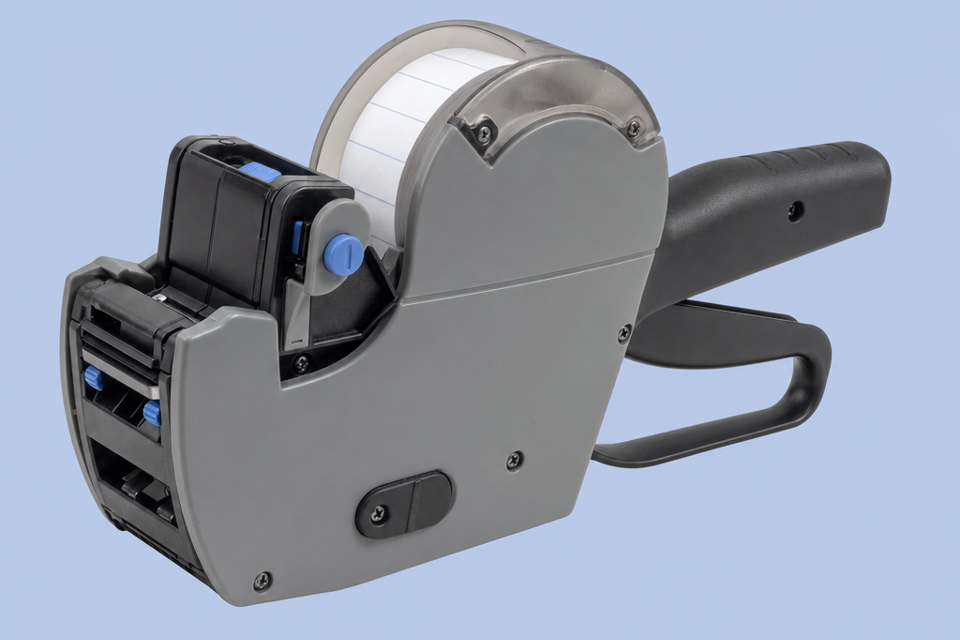 Inflation sticks
Inflation that stays above target does not hit every company the same way. When input costs, wages and freight keep rising, the companies that come through with margins intact are the ones that can raise their own prices at least as fast: makers of essential consumer staples and medicines, owners of brands customers will not trade down from, regulated utilities and toll-road style operators whose tariffs pass costs through, and businesses whose contracts are indexed to inflation. Everyone else absorbs the squeeze. A portfolio under this thesis selects US-listed companies with a demonstrated record of holding gross and operating margins through earlier inflationary periods, drawn from staples, healthcare, regulated infrastructure, insurance and software with recurring, repriceable contracts. It excludes businesses locked into fixed-price contracts or facing costs that have historically outrun their prices, such as contract manufacturers, low-margin retailers and labour-intensive services without pricing leverage.
 IPO window reopens
After roughly two years in which few private companies could list, IPO and acquisition activity is reopening. That matters because growth-equity and venture funds have been sitting on large stakes in late-stage private companies with no way to sell them. A sustained exit window lets those funds distribute cash to their investors, which converts paper gains into realized profits and triggers the performance fees that make up a large share of fund-manager earnings. A portfolio under this thesis selects listed alternative asset managers and investment firms with sizeable growth-equity and venture holdings, the investment banks whose equity capital markets desks underwrite listings and advise on sales, and the exchanges that collect listing and trading fees from new issuers. The private companies waiting to go public are not themselves investable; the thesis targets the firms paid when they do.
 Rates come down
This thesis is about what happens to a specific set of companies when interest rates fall. Cheaper mortgages bring buyers back to the housing market and reopen refinancing; cheaper loans do the same for cars, appliances and other purchases that are financed rather than paid in cash. At the same time, companies carrying heavy debt see their interest expense shrink, which lifts earnings without any change in the underlying business. After a long stretch of elevated policy rates, the direction of the next move is the question that matters for these businesses. A portfolio under this thesis selects homebuilders, mortgage originators and servicers, and companies whose interest expense or loan-financed demand makes up a material share of their earnings. It excludes banks, brokers and insurers, whose income from deposits, cash balances and float shrinks when rates fall and who therefore sit on the wrong side of the same move.
 Rates stay high
When interest rates rise or settle at a high level, some financial businesses earn more without adding a single customer. Banks and brokers that fund themselves with low-cost deposits and idle client cash collect more on their loans and securities than they pay out, so the gap between the two widens. Insurers take the premiums they collect and reinvest that float at higher yields while their payout obligations are largely fixed. After a long period of near-zero rates, this mechanism is again a material driver of earnings across the sector. A portfolio under this thesis selects US-listed banks, brokerages and insurers for which income on deposits, client cash or float is a large share of earnings and reprices faster than their cost of funding. It excludes heavily indebted companies, homebuilders and lenders whose funding costs climb as quickly as the yields on their assets.
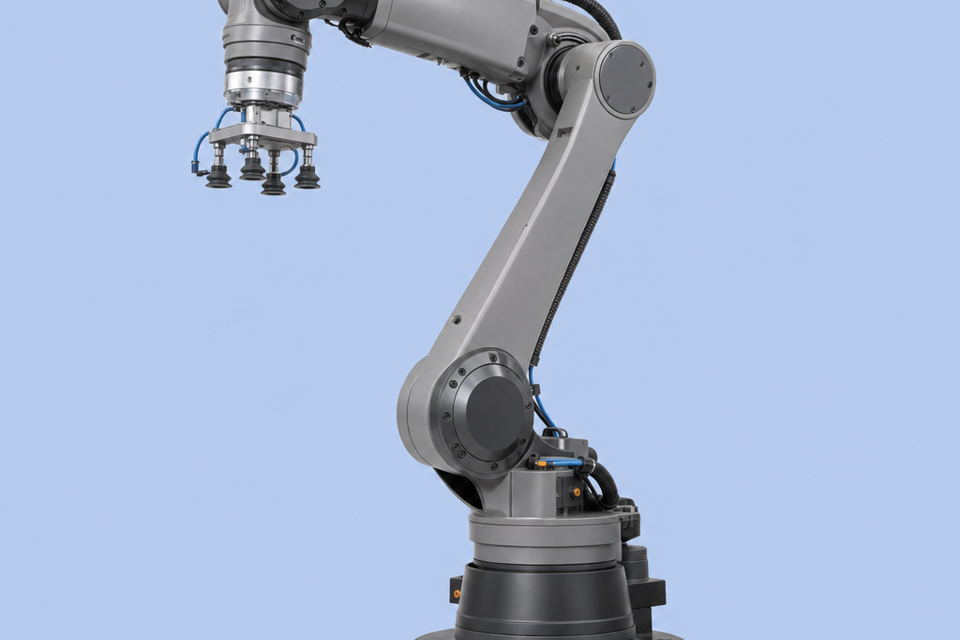 Robotics & Embodiment Are Coming
Robots have been welding cars for decades, but the machines were blind and scripted. What changes now is that the same foundation models driving language and vision are being trained on physical actions, so a robot can see an unfamiliar object, decide how to grip it, and recover when it slips. Falling sensor and actuator costs, labor shortages in logistics and manufacturing, and large capital commitments from automakers and cloud providers are pushing humanoid, warehouse, surgical, and autonomous-vehicle robots from demonstrations toward deployment. A portfolio under this thesis selects US-listed companies along that supply chain: makers of the chips and vision systems that let machines perceive, suppliers of motors, gearboxes, lidar, and force sensors, industrial automation firms building or integrating robot arms and mobile platforms, and software and simulation providers used to train and test them. It spans large manufacturers and semiconductor firms as well as smaller component specialists.
 Robotics and Drones Defense Play
Defense procurement is shifting from a small number of crewed platforms toward large quantities of unmanned systems: aerial drones, loitering munitions, uncrewed ground and surface vehicles, and the counter-drone equipment needed to stop them. Recent conflicts have shown that cheap, expendable autonomy can neutralize far more expensive hardware, and US and allied budgets are now funding that lesson through programs that favor fast production over long development cycles. A portfolio under this thesis selects US-listed companies whose revenue is tied to that shift. That includes prime contractors with established drone and autonomy divisions, smaller manufacturers of unmanned aircraft and robotic vehicles, and suppliers of the parts those systems depend on: sensors, secure communications, edge processors, batteries and electric propulsion, and the software that handles navigation and targeting. Companies are weighed on how much of their business comes from defense autonomy rather than on general exposure to robotics.
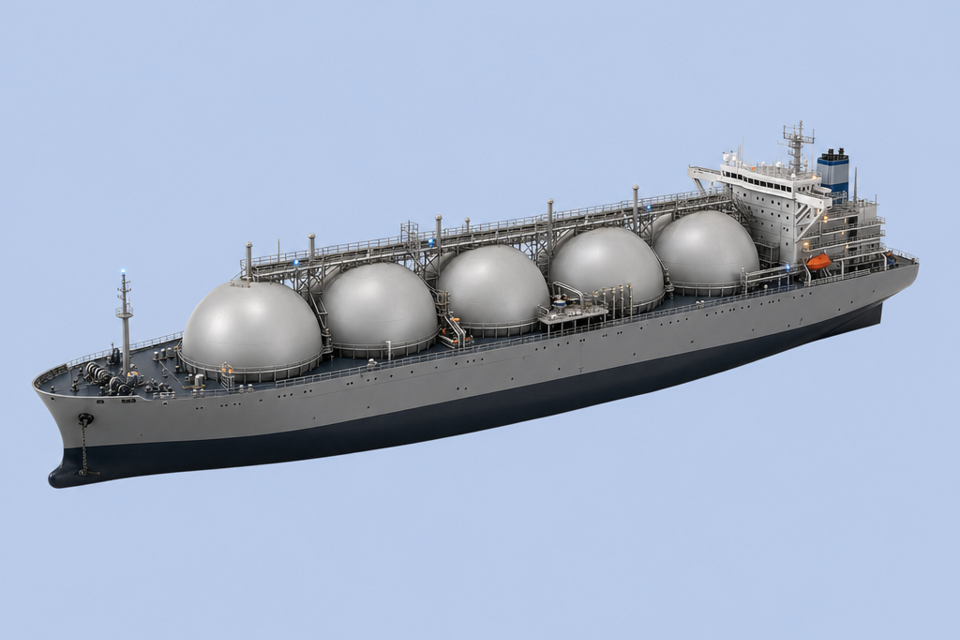 Russian Collapses
Russia's retreat from world markets is leaving gaps that other producers are filling. Sanctions, export controls and the end of pipeline gas to Europe have cut Russian volumes in oil, natural gas, fertilizer, wheat, nickel, palladium, titanium and arms, and buyers in Europe and Asia have had to re-source those goods. Each contraction in Russian output or market access moves demand toward producers in jurisdictions buyers can still trade with, and much of that spare capacity sits in the United States. A portfolio under this thesis selects US-listed companies on the receiving side of that shift: liquefied natural gas exporters and the midstream pipelines and terminals that feed them, shale oil and gas producers, nitrogen and potash fertilizer makers, grain handlers and farm equipment suppliers, producers of specialty metals and alloys that replaced Russian material, and defense contractors supplying replacement equipment to European militaries.
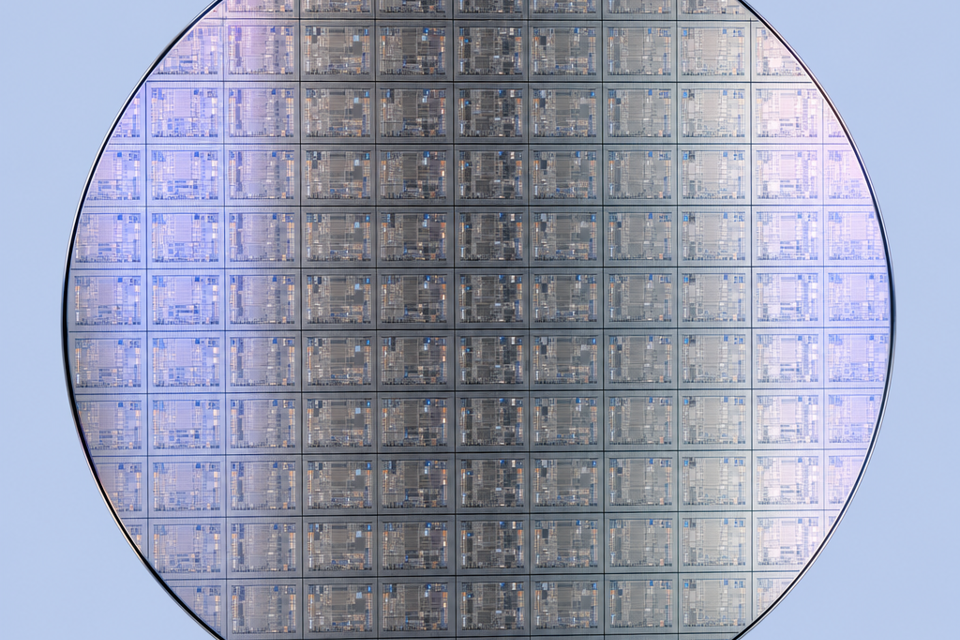 Semiconductor Sovereignty
Semiconductors have become a matter of national policy. Advanced chips are made almost entirely in Taiwan and South Korea, and the United States now treats that concentration as a strategic risk. The CHIPS and Science Act is funding new fabrication plants in Arizona, Texas, Ohio and New York, while export controls restrict what can be sold to China. The result is a multi-year build-out of domestic capacity, from wafer fabs to the tools, materials and packaging that feed them. Portfolios under this thesis select US-listed companies that benefit when chip production moves home: fabrication equipment makers, foundry and memory producers building American plants, designers of leading-edge logic, suppliers of specialty gases, substrates and test equipment, and the industrial and construction firms building the fabs themselves. Selection favors companies whose revenue is tied to domestic capacity rather than to global chip demand alone.
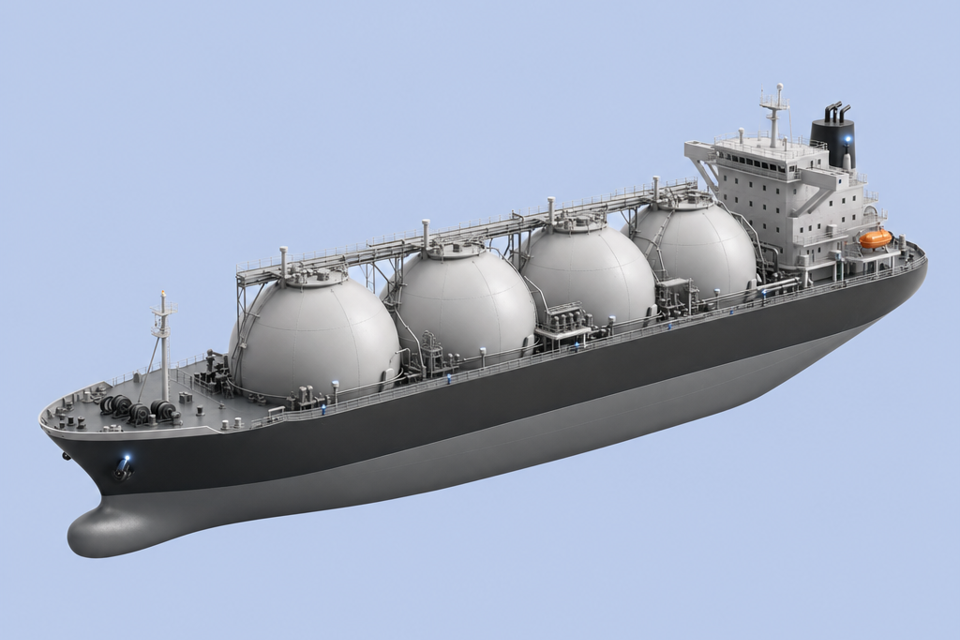 Spare LNG sells high
When Qatari liquefied natural gas supply is disrupted, the shortfall is felt first in the spot market. Most LNG moves under long-term contracts at fixed or oil-linked prices, so a seller's exposure to a spike in spot prices depends on how much of its output is uncommitted. Atlantic Basin producers and marketers with spare cargoes can redirect them to the buyers in Europe and Asia who are paying the most, while suppliers whose volumes are fully contracted see little change in what they receive. A portfolio under this thesis selects US-listed natural gas producers, LNG export project owners and gas marketers that retain merchant or uncommitted volumes and sell them at prevailing spot or hub-linked prices. It gives less weight to export terminals that earn fixed liquefaction and processing fees per tonne regardless of the cargo's sale price, since their revenue is largely insulated from the disruption that drives the idea.
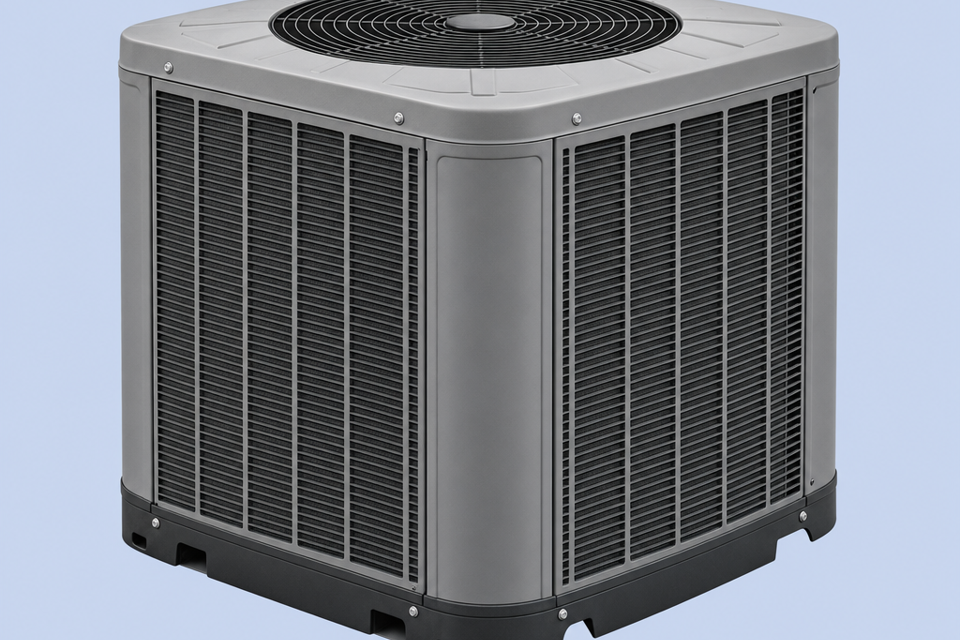 The Climate Is Warming
Average temperatures are rising, and the effects now show up in operating budgets rather than forecasts: longer cooling seasons, more frequent heat and flood events, strained water supplies, and insurers repricing or withdrawing from exposed regions. Spending to cope with these conditions is less tied to policy cycles than spending to prevent them, which makes it a durable demand driver across industries that rarely get grouped together. A portfolio under this thesis selects US-listed companies whose revenue grows as heat and weather stress intensify: heating, ventilation and air conditioning manufacturers and distributors; water treatment, metering and infrastructure firms; electrical equipment makers serving grid hardening and backup power; building materials and engineering firms doing resilience and flood work; agricultural input and irrigation suppliers; and property insurers and reinsurance brokers with pricing power in catastrophe-exposed markets. Renewable energy, electric vehicle and battery companies are excluded unless they also sell into this adaptation demand.
 The Nuclear Resurgence
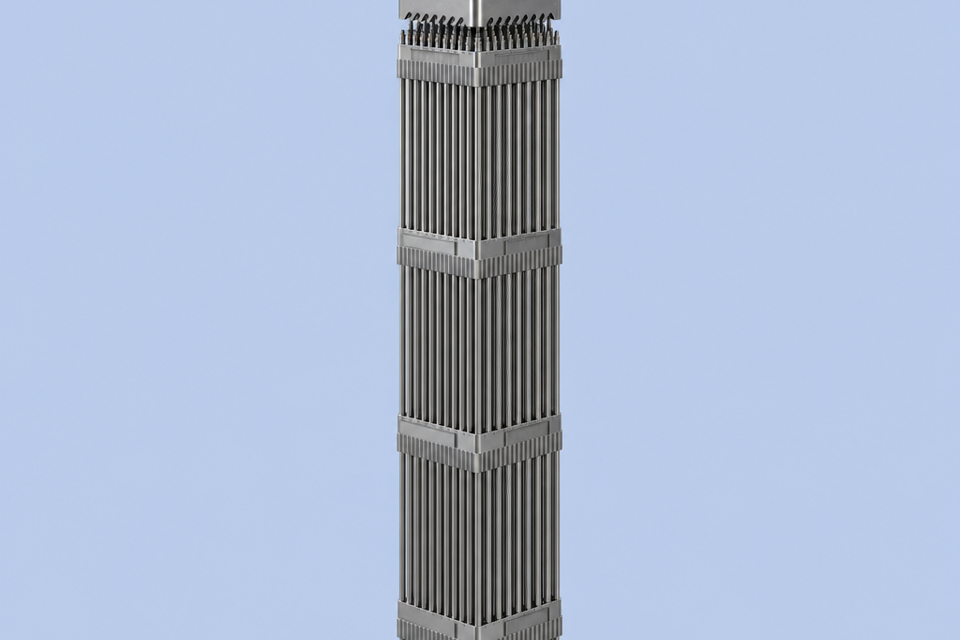
Nuclear power is being reconsidered as a source of large, steady, carbon-free electricity. Data centers, electrified industry and reshored manufacturing are adding baseload demand that wind and solar alone cannot meet around the clock, and utilities are responding by extending the lives of existing reactors, restarting retired ones and signing long-term power agreements with large technology buyers. Federal loan guarantees, production tax credits and streamlined licensing for small modular reactors lower the cost of building new capacity. A portfolio under this thesis selects US-listed companies across the nuclear value chain: utilities with substantial reactor fleets, uranium miners and enrichment and fuel-fabrication suppliers, engineering and construction firms that service plants, and manufacturers of reactor components, instrumentation and specialized equipment. Candidates are drawn from the S&P 500, Nasdaq-100 and Russell 2000, so the mix spans established operators and smaller specialist suppliers.
 Trump’s agenda holds
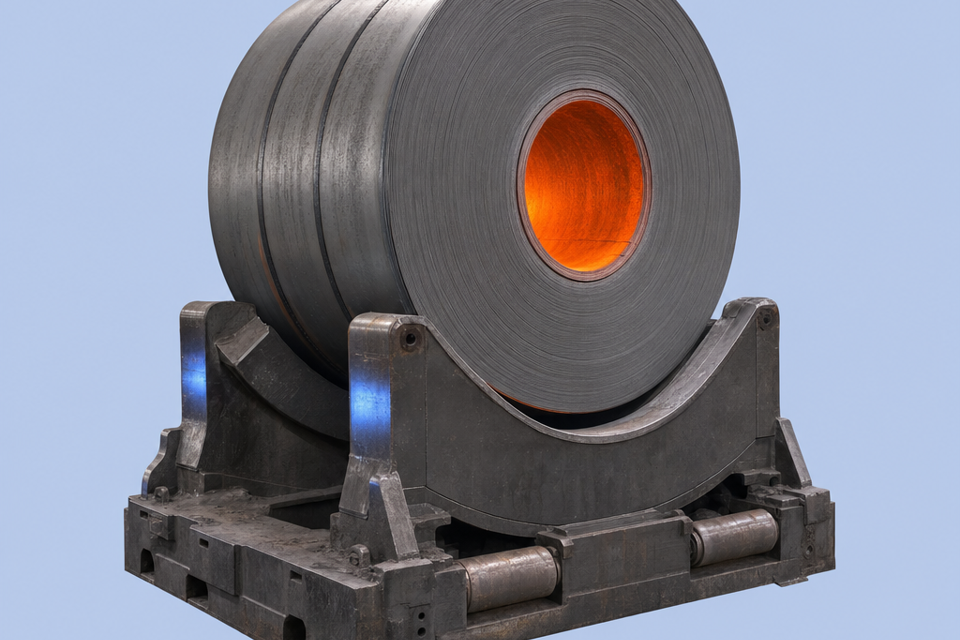
The current US administration's agenda — tariffs on imported goods, subsidies and tax incentives for domestic factories, larger defense and border-security budgets, and looser rules on energy production and banking — redirects demand and cost toward specific industries. Tariffs raise the price of foreign steel, aluminum, autos and machinery, giving domestic producers room to sell more at higher margins. Reshoring incentives create orders for the firms that build and equip plants. Deregulation lowers compliance costs for oil and gas producers and lenders. A portfolio under this thesis selects US-listed companies whose sales or margins improve directly from these policies: steel and aluminum producers, industrial machinery and automation makers, construction and engineering firms building factories and infrastructure, defense and border-security contractors, domestic oil, gas and pipeline operators, and banks whose costs fall under lighter regulation. Companies that depend on imported inputs or on export markets exposed to retaliation are excluded.
 Trump’s agenda loses ground
The thesis is that congressional gridlock and specific policy reversals weaken the administration's economic agenda. If Democrats control at least one chamber, they can block further legislation and proposed spending cuts. Courts can overturn executive actions, and new state measures can offset federal restrictions. One portfolio selects companies protected from additional federal cuts; the other selects net beneficiaries of court relief, tariff refunds or lower duties, and new state measures. The gridlock portfolio looks for laboratory suppliers that depend on federal research grants and hospitals and insurers with heavy Medicaid exposure, each tied to a specific pending proposal. The rollback portfolio looks for importers with tariff refunds outstanding or lower duty costs, and clean-energy and grid companies helped by court relief or new state measures; the Supreme Court's February 2026 ruling against the emergency-powers tariffs is one reversal already on record. Both exclude companies that gain from tariffs, reshoring, defense and border budgets or deregulation.
 U.S. Interest Rates Climb To 8%
This thesis takes a specific scenario seriously: U.S. interest rates, led by the federal funds rate and long-term Treasury yields, climbing to around 8%, a level not seen since the late 1980s. The drivers would be persistent inflation, heavy Treasury issuance to fund federal deficits, and a Federal Reserve that keeps tightening rather than easing. At that level, the cost of debt reshapes which business models work: refinancing becomes the dominant corporate risk, and the spread between what a company earns on cash and what it pays on borrowing becomes a central line item. Portfolios under this theme select companies whose economics improve or hold up as rates rise. That means banks and brokerages that earn net interest income on deposits and client cash, insurers that reinvest premium float at higher yields, and payment and exchange operators with little debt. It also means cash-rich technology, industrial and consumer businesses with long-dated fixed-rate borrowing, and it avoids leveraged firms facing near-term refinancing.
 Ukraine war drags on
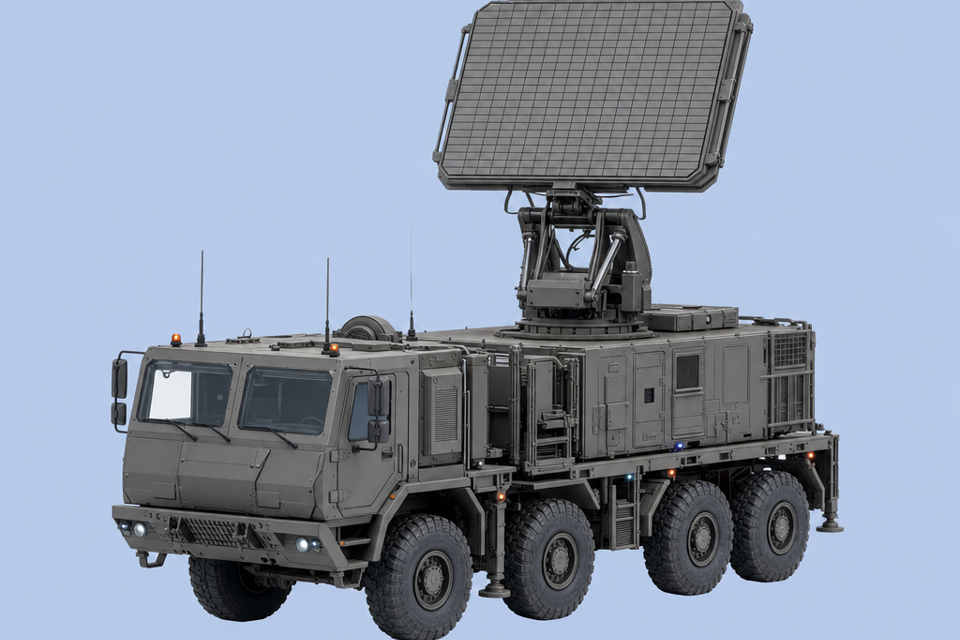
If local ceasefires and the planned November talks fail to produce a settlement, the war in Ukraine continues and so does the trade it created. Europe keeps replacing Russian pipeline gas with imported LNG, much of it from US Gulf Coast terminals. European governments keep ordering artillery shells, missiles and air-defense systems at wartime rates. EU tariffs and remaining sanctions keep Russian fertilizer, steel, aluminum and other metals at a disadvantage in Western markets, leaving that demand to other suppliers. A portfolio under this thesis selects US-listed companies on the receiving end of those flows: LNG exporters and the gas producers and pipelines that feed them; manufacturers of ammunition, air-defense interceptors and radar; and non-Russian producers of fertilizer, nickel, aluminum, palladium and similar commodities Russia used to supply. Companies with remaining Russian operations are excluded.
 US Mild Recession. Interest Rates Drop to 2%
This thesis works from one macro scenario: the US economy slips into a mild recession, inflation cools, and the Federal Reserve responds by cutting its policy rate to around 2%. The downturn is shallow enough that credit markets keep functioning and employment softens rather than collapses, so the dominant force on equities becomes the cost of money rather than a collapse in demand. Mortgage rates, corporate borrowing costs and the discount rate applied to future earnings all fall together, and that shift matters more to some businesses than others. Portfolios under this thesis select US-listed companies across the S&P 500, Nasdaq-100 and Russell 2000 whose economics improve as rates fall while their revenues stay steady through a soft patch: homebuilders and building-product suppliers, REITs and utilities carrying large refinanceable debt loads, regional banks and consumer lenders whose funding costs drop, small-caps with floating-rate borrowings, and software and healthcare names with stable recurring revenue and earnings weighted toward later years.
 US-China truce holds
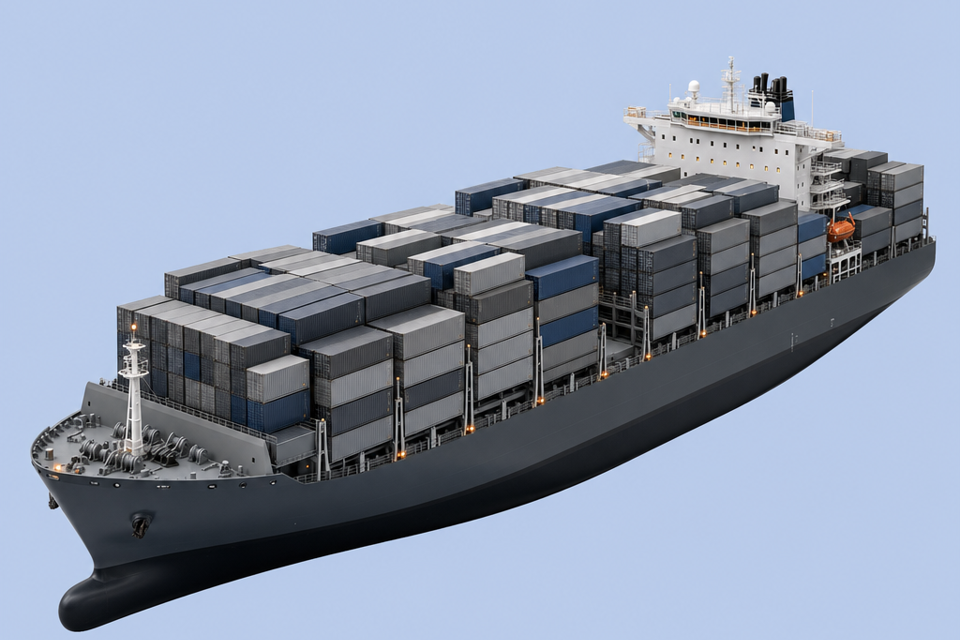
The US-China trade truce currently runs to January 10, 2027. If Washington and Beijing extend it, tariffs on Chinese goods stay at their reduced levels and Chinese exports of rare earths and other critical minerals keep flowing. For US manufacturers that means cheaper inputs: magnets for motors, components for electronics and autos, processed minerals for batteries and defense hardware. It also keeps the Chinese market open to US exporters of semiconductors, aircraft, agricultural equipment and industrial machinery. A portfolio under this thesis selects US-listed companies with material sales into China or material dependence on Chinese components and minerals: chipmakers and chip-equipment vendors, automakers and auto suppliers, electronics and industrial manufacturers, and consumer brands with large Chinese revenue. Companies that benefit from Chinese supply restrictions, such as domestic rare-earth miners and processors, are excluded.
 Venezuela reopens
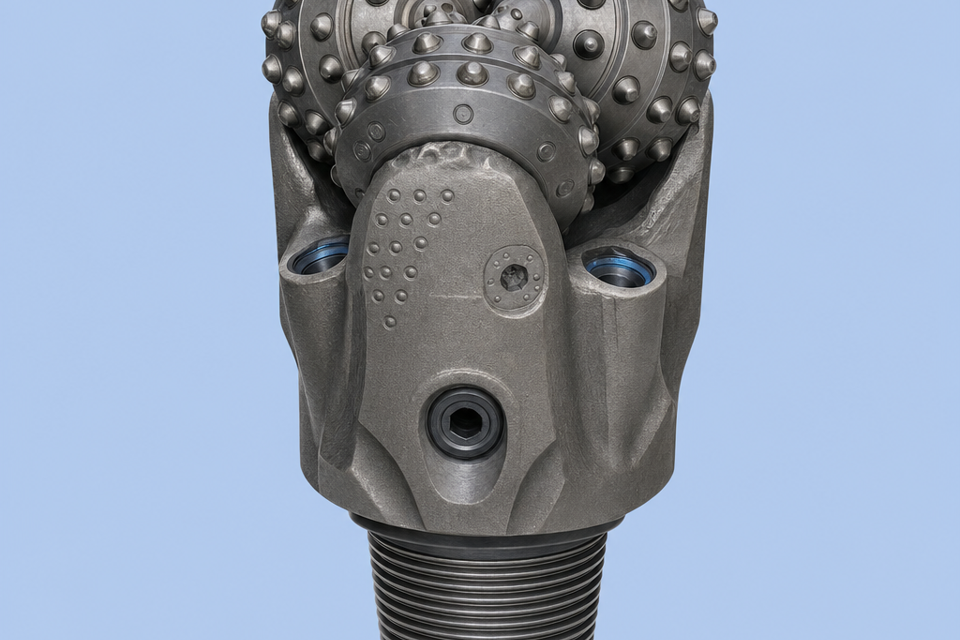
Venezuela's oil industry is reopening to Western companies. Following Maduro's removal in January 2026 and the easing of US oil licenses, the country's degraded fields need years of drilling, equipment and oilfield services to restore output. As production returns, Venezuelan heavy crude flows back to US Gulf Coast refineries that were built to process it and have been running on costlier substitutes since sanctions cut the supply. A portfolio under this thesis selects two kinds of companies. The first are oilfield-service and equipment providers with signed, paid contracts for Venezuelan work, so that the exposure rests on awarded business rather than on expected tenders. The second are US refiners configured for heavy crude, which buy Venezuelan barrels at a discount to lighter grades. Heavy-oil producers elsewhere, which compete for the same refinery demand and lose pricing power as Venezuelan supply returns, are excluded.
 Vice is Back!
For most of the past decade, alcohol, tobacco and gambling companies were screened out of a growing share of institutional mandates on ESG grounds, regardless of their business quality. That pressure is easing: exclusion-based funds have lost assets, US sports betting has gone from illegal in most states to legal in the majority, nicotine pouches and heated tobacco have reopened product growth for cigarette makers, and consumer spending on nightlife, casinos and live entertainment has recovered past pre-pandemic levels. Vice is Back! takes the view that these industries are once again investable as ordinary consumer businesses. Portfolios under this thesis select US-listed companies whose primary revenue comes from brewing, distilling and spirits, tobacco and nicotine products, casinos, sportsbooks and online gaming, and the suppliers that serve them, such as gaming-equipment makers and betting-platform technology. Adjacent categories like cannabis and firearms may be included where a portfolio's designer chooses, but the core is cash-generating consumer franchises with strong pricing power and few new entrants.
read the work
before you hold it.
Every portfolio page shows how it was built and how it has performed, in full.
where is the money, and why?
Every position, its weight, and the written case for holding it: what the company does, how much of its business is the thesis, and where it falls short.
of everything we tried, why this one?
Thousands of weightings built and tested under rules fixed in advance. The one that ranked highest ships, with the search, the screens and the rejections on the record.
some people buy the market and log off.
you're not one of them.
You have a view, and you want to watch it play out: the trades, the news, and the discussion.
hold the shares,
not the fund.
Every position sits in an account in your name at the custodian. Your tax lots, your proxy votes, losses harvested on individual names.
back a thesis,
not a theme.
An ETF gives you exposure to a theme. A thesis is a claim about what happens next, and a portfolio built to carry it.
see the whole process,
not just the holdings.
How the names were selected, how the weights were set, how the thesis was tested. Every trade in your account as it happens.